
You want visible skin benefits without wasting money, and the gap between high-end LED face masks and budget models matters — but not always in the ways brands claim. High-end masks typically deliver more accurate wavelengths, higher and more consistent light intensity, better fit and materials, and clearer safety or clinical validation, which can shorten sessions and improve results; cheaper masks can still help if they actually emit the right wavelengths and you use them consistently. If you want reliable, faster results and documented safety, invest in a quality LED mask; if you’re testing light therapy as an at-home skincare habit, a budget option can be useful only if it lists wavelengths and has adequate intensity.
You’ll learn how technology, build, safety, and real-world performance separate premium devices from bargain options, plus which trade-offs affect value over time. Expect practical guidance for choosing an LED mask that fits your goals, whether you prioritize clinical backing, comfort, or price.
Key Takeaways
- High-end LED masks offer more consistent wavelengths and power for predictable outcomes.
- Material quality and fit affect comfort, durability, and treatment consistency.
- Verified safety, clearer testing, and clinical support improve long-term value.
Key Differences in Technology and Performance
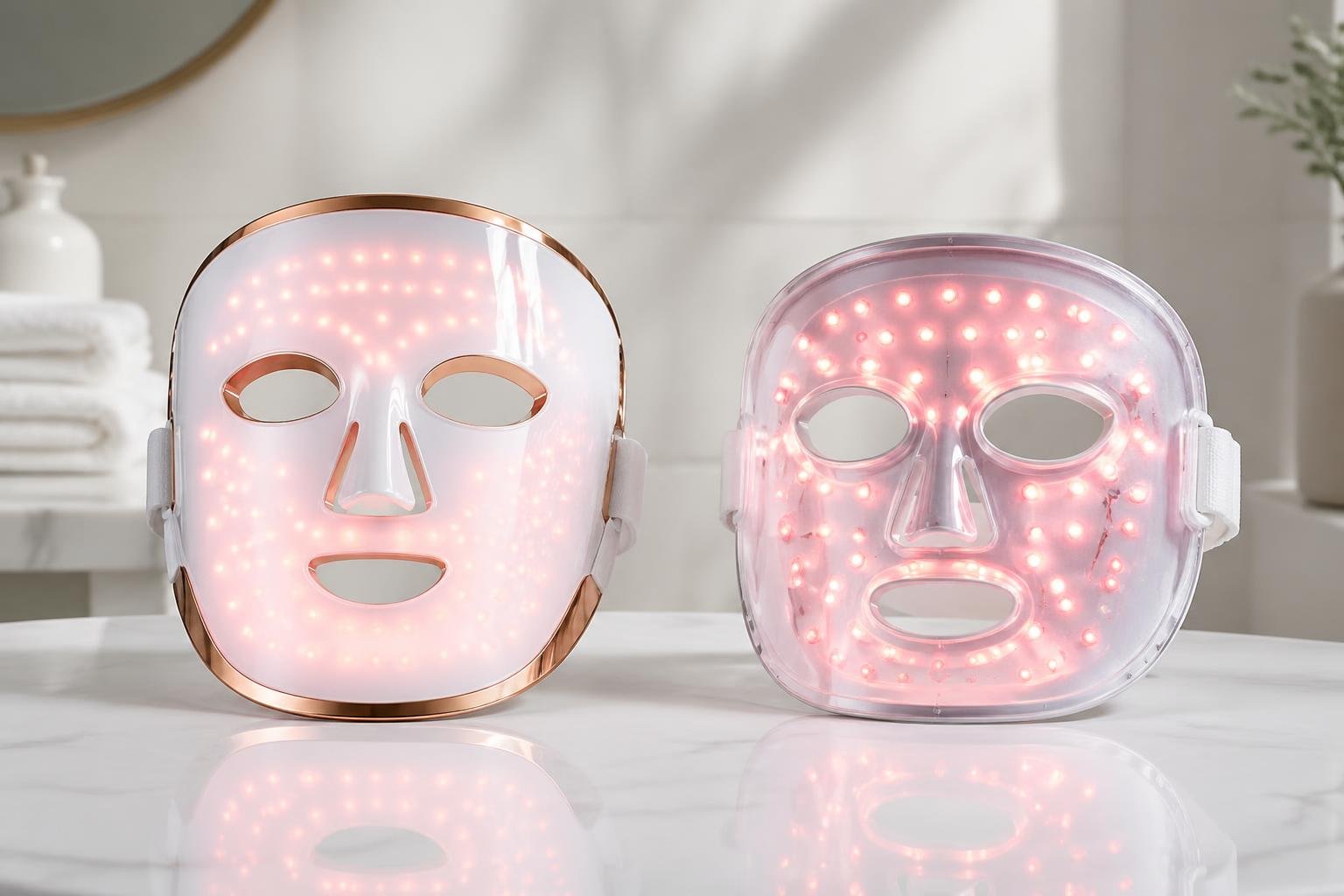
High-end masks use specific wavelengths, higher power density, and uniform light distribution to reach therapeutic tissue depths. Cheaper alternatives often cut corners on wavelength precision, irradiance, and LED layout, which affects collagen stimulation, inflammation reduction, and real clinical efficacy.
Wavelength Precision and Clinical Evidence
You need devices that deliver clinically proven wavelengths with narrow spectral peaks. High-end units commonly include red (~633–660 nm) and near‑infrared (~810–830 nm) LEDs. Those wavelengths target mitochondria and penetrate to dermal fibroblasts, supporting studies that link 630–660 nm and ~830 nm bands to increased collagen production and reduced inflammation.
Budget masks often mix broad-spectrum or poorly specified LEDs. That makes it harder to match the parameters used in clinical trials. If a device doesn’t list peak wavelengths and irradiance at the skin, you can’t compare it to research-grade fluence that produced measurable collagen or anti‑inflammatory changes.
Power Density, Irradiance, and Effectiveness
You should inspect irradiance (mW/cm2) and fluence (J/cm2) rather than LED count or wattage. High-end masks typically deliver higher power density at realistic treatment distance, so a 10–20 minute session can reach therapeutic fluences at dermal depth. Clinical protocols often aim for several J/cm2 at target tissue; higher surface irradiance compensates for tissue attenuation and delivers effective dose to fibroblasts.
Cheaper masks commonly provide low irradiance (single-digit mW/cm2), forcing impractical session times or leaving fluence below the threshold needed to stimulate collagen or meaningfully reduce inflammation. Check measured irradiance at the actual wearing distance and calculate dose: Dose (J/cm2) = Irradiance (W/cm2) × Time (s).
Light Distribution and Complete Coverage
You want even light distribution to avoid hotspots and untreated gaps. High-end masks use dense LED placement and optical diffusion so red and NIR light covers the entire face uniformly, improving consistent collagen stimulation across treatment zones. That uniform coverage also reduces the risk of localized irritation from uneven intensity.
Cheaper masks often space LEDs widely, producing non‑uniform irradiance and “hot” spots directly under bulbs with low coverage between them. This causes uneven fluence, inconsistent effects on collagen production, and variable anti‑inflammatory response. Verify manufacturer maps or third‑party irradiance scans to confirm complete, uniform coverage before buying.
Materials, Build Quality, and Comfort
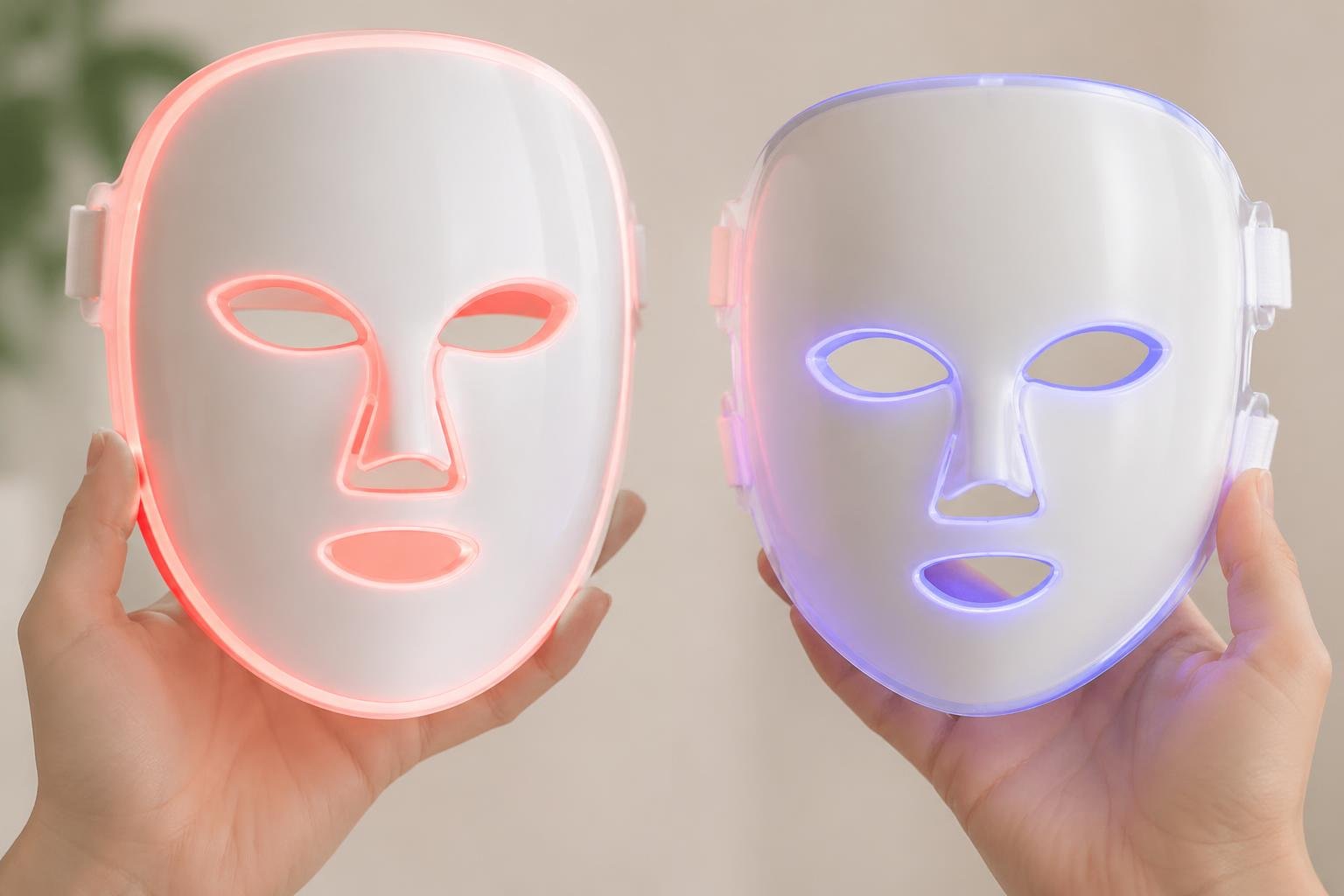
High-end masks prioritize durable materials, precise construction, and user comfort; budget options often trade some durability and fit features for lower price. Pay attention to the material touching your skin, how the mask conforms to facial contours, and what protective or comfort accessories are included.
Medical-Grade Silicone and Device Design
Medical-grade silicone is common on premium masks because it’s hypoallergenic, easy to clean, and conforms well to facial curves. If you have sensitive skin, choose a mask that explicitly lists “medical-grade silicone” for the face-contact surface to reduce irritation and staining.
Construction quality affects light delivery. Rigid shells with well-spaced LED arrays maintain consistent LED-to-skin distance, while flexible silicone masks let LEDs sit closer to uneven areas like the nose and chin. Check for sealed seams and durable wiring; cheap masks sometimes use thinner plastics that warp over time and can reduce light distribution uniformity.
Fit, Flexibility, and Usability Features
A secure fit ensures even irradiation and prevents light leakage into your eyes. Look for adjustable straps or a chin strap that keeps the mask snug without pulling on your hair. Masks that mold to the cheekbones and under-chin area deliver better coverage for jawline and neck concerns.
Flexible silicone masks conform to facial contours and feel lighter during 10–20 minute sessions. However, extreme flexibility can make placement inconsistent unless the mask has internal structure or form-fitting contours. Usability features to prioritize: easy on/off, a simple control interface, and clear intensity/timer settings you can change mid-session.
Accessories for Enhanced Treatment
Protective eye inserts or removable eye cups are important if your mask does not block periocular light. These inserts reduce discomfort and protect sensitive eyes while allowing the mask to treat surrounding skin safely. If you plan on blue-light acne treatments, always use eye protection rated for that spectrum.
Other useful accessories: washable silicone liners to prevent staining and improve hygiene; a chin strap for extended lower-face coverage; and travel cases that prevent bending or LED damage. High-end masks often include better-quality accessories and clearer care instructions, which can extend device life and ensure consistent results.
Safety, Certifications, and Regulatory Status
You should prioritize devices with verified safety and performance data, and understand what risks uncertified masks can introduce to your skin and eyes. Certification status and clear device specifications matter more than marketing claims.
FDA Clearance and Brand Standards
FDA clearance (typically via 510(k)) indicates a manufacturer submitted data showing a device is safe and performs as intended compared with an existing predicate device. For LED light therapy masks, clearance usually covers specific claims—for example, treating wrinkles or acne—and requires measured irradiance, documented wavelengths (e.g., 630–660 nm red, 415–450 nm blue), and manufacturing controls.
When a brand lists FDA clearance, confirm the exact cleared model number on FDA databases. Also check for third‑party lab reports that verify irradiance (mW/cm²) and uniformity; reputable high-end masks publish these specs. You should prefer brands that use medical‑grade materials, provide safety guidance (eye protection, session limits), and maintain post‑market support or clinical studies.
Potential Risks of Uncertified Devices
Non‑certified or poorly specified masks can expose you to uneven light, insufficient irradiance, or incorrect wavelengths that deliver little benefit and waste time. They may also use substandard materials causing heat, poor skin contact, or short circuits.
Specific risks include eye irritation from unshielded blue light, photosensitivity reactions if you use photosensitizing drugs, and burns from high‑heat components. Uncertified products often lack validated safety cutoffs or failsafes. If you experience persistent redness, pain, or worsening acne after use, stop immediately and consult a dermatologist.
Comparing Leading Brands and Best-Selling Models
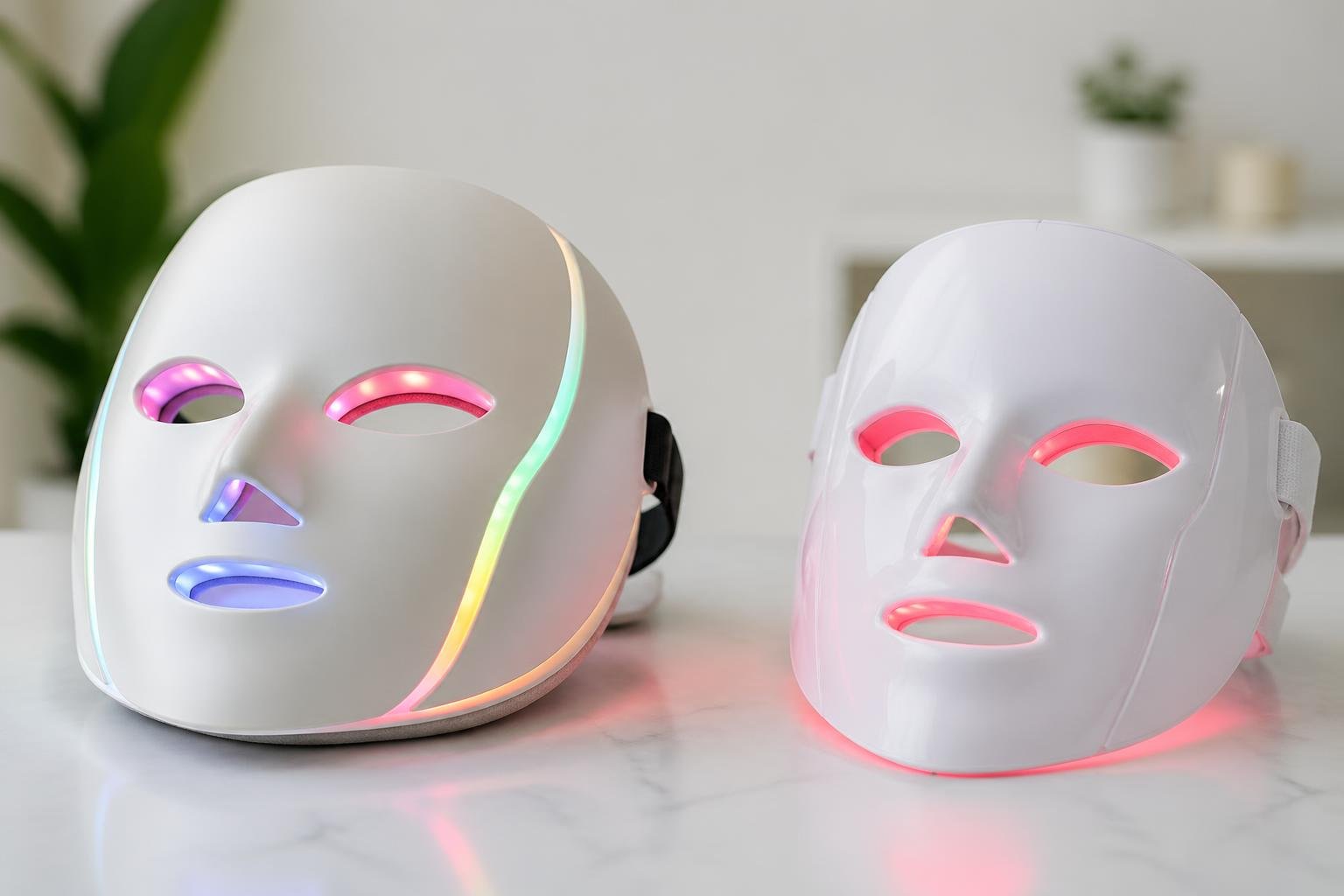
High-power, clinically oriented devices and affordable, multi-mode masks both target collagen, inflammation, and acne, but they differ in wavelength mix, irradiance, fit, and extras like cryotherapy or portability. Pay attention to treatment time, LED count, and whether the device offers near-infrared alongside red light when choosing for specific concerns.
CurrentBody vs Omnilux
CurrentBody focuses on multi-wavelength therapy: red plus near-infrared combinations appear in their Pro and Contour-style offerings, aiming to address wrinkles, skin tone, and deeper tissue repair. You’ll find adjustable straps and relatively short treatment times (often ~10 minutes), which suit busy routines. CurrentBody models tend to emphasize user comfort and coverage under the chin.
Omnilux centers on clinically validated wavelengths (e.g., 633 nm red and 830 nm near‑infrared in Contour Face products). You get consistent irradiance and a reputation for research-backed settings. Omnilux Contour units are comfortable and flexible but often tethered by a cord, which limits multitasking during sessions. Choose Omnilux if you prioritize established wavelength profiles and a device cleared for anti‑aging use.
Dr. Dennis Gross DRx SpectraLite vs Therabody
Dr. Dennis Gross DRx SpectraLite FaceWare Pro uses combined red and blue LEDs in a compact, rigid mask aimed at acne and surface-level photo-modulation. You’ll get targeted blue light for P. acnes and red wavelengths for collagen; sessions are short and consumer-friendly. The SpectraLite’s design prioritizes ease and fixed programs over deep tissue irradiance.
Therabody Theraface and Therabody Theraface Mask gear toward integrated wellness: some models pair red/near-infrared LEDs with vibration, heat, or microcurrent in multi-functional routines. Therabody emphasizes hands-on usability and broader facial wellness beyond purely cosmetic endpoints. If you want a device that blends light therapy with other modalities, Therabody delivers multi-tech features versus the SpectraLite’s focused LED approach.
Emerging Innovations and Multi-Functional Designs
Newer entrants like the Shark CryoGlow combine LED light with cryotherapy, offering cooling under-eye treatments alongside red/blue light modes. These hybrid designs aim to reduce inflammation faster while adding user-friendly features like cordless operation and session tracking. You’ll also see flexible silicone shells, higher LED densities, and masks that cover under-chin areas for fuller treatment.
Look for these specifics when evaluating multi-functional masks:
- Wavelengths included (red, blue, near‑infrared)
- Irradiance (mW/cm²) and LED count
- Power source: cordless vs corded
- Additional modalities: cooling, vibration, microcurrent
These factors determine whether a mask like CurrentBody, Omnilux Contour, Dr. Dennis Gross DRx SpectraLite, Therabody Theraface, or Shark CryoGlow fits your priorities for results, comfort, and daily use.
Treatment Outcomes: Real Benefits and Limitations
You can get measurable surface improvements with many at-home red light therapy devices, but depth-dependent effects—like durable collagen production or hair-follicle stimulation—depend on device power and wavelength. Expect meaningful acne-suppressing and anti-inflammatory responses from masks that deliver adequate blue or red wavelengths, while deeper tissue and systemic benefits require near-infrared and higher irradiance.
Skin Rejuvenation and Collagen Stimulation
High irradiance at the dermal fibroblast layer drives collagen production. Clinical studies that show increases in type I/III collagen used devices delivering tens of mW/cm2 at depth, not the single-digit surface irradiance common in cheap masks.
If your mask delivers only 5–20 mW/cm2 at the skin, most photons will be absorbed in the epidermis, producing transient vasodilation and a “glow” rather than structural remodeling.
Look for measured irradiance (mW/cm2) at the actual skin distance and combination wavelengths (around 630–660 nm plus NIR).
A panel or premium mask that provides higher surface power increases the chance that 4–30 J/cm2 reaches fibroblasts, which is the dose range linked to gene-expression changes that stimulate collagen.
Acne Reduction and Anti-Inflammatory Effects
For acne you need targeted blue light (≈415 nm) to reduce P. acnes and red light (≈630–660 nm) to lower inflammation. Many masks include both, and when they deliver validated surface doses they can reduce lesion counts and erythema over weeks.
Consistency matters: typical clinical protocols run multiple sessions per week for 6–12 weeks.
If your device underdelivers irradiance, anti-inflammatory benefits drop sharply.
Even lower-power masks can help with surface inflammation and healing, but expect slower, smaller results than with clinical-grade devices that pair adequate power and correct wavelengths.
Understanding the Role of Near-Infrared Light
Near-infrared (≈810–850 nm) penetrates deeper than red wavelengths and targets subdermal structures, joints, and muscle.
If you want scalp/hair-follicle effects, muscle recovery, or systemic photobiomodulation, a device must include NIR at meaningful irradiance; most inexpensive red light therapy masks lack this or include only token NIR at low power.
NIR increases treatment depth and complements red light for collagen stimulation by delivering photons to deeper fibroblasts and vasculature.
When shopping, prioritize measured optical output for both red and NIR bands and verify third-party testing to confirm the mask’s ability to reach the tissue depth relevant to your goals.
Cost, Longevity, and Value Over Time
High-end LED masks cost more up front but typically deliver higher sustained output, broader wavelength coverage, and clearer specs. Cheaper alternatives save cash initially but often trade off irradiance, NIR presence, and component lifespan.
Durability and Long-Term Performance
You should expect premium masks to use higher-grade LEDs, reinforced circuit boards, and sturdier housings that resist heat and repeated flexing. That translates to longer rated lifetimes (often 20,000–50,000+ hours) and steadier irradiance over years, which matters if you use at-home red light therapy multiple times per week.
Budget masks frequently rely on lower-spec LEDs and thinner plastics. They may decline in output faster, show uneven light distribution, or develop loose connections after months. Pay attention to measured irradiance at the skin distance the manufacturer specifies; a mask that starts strong but drops below therapeutic mW/cm2 makes continued use less effective.
Cost-Benefit Analysis and Investment Considerations
Compare purchase price against realistic replacement interval and session effectiveness. For example: a $400 expensive LED mask that maintains clinical-range irradiance for 5 years at 3 sessions/week can produce far more effective sessions than a $100 mask that needs replacement every 12–18 months or never delivers sufficient power at depth.
Factor in what you want the device to do. If you only use blue or surface-level red light for occasional glow or acne maintenance, a cheaper mask can be cost-efficient. If you want collagen stimulation, hair-growth benefit, or durable at-home red light therapy results, budget for a model with documented irradiance, NIR capability, and third-party testing—those features increase initial cost but lower cost-per-effective-session over time.
Key purchase questions to weigh:
- What is measured irradiance at typical skin distance (mW/cm2)?
- Does the device include near-infrared (810–850 nm)?
- What is the rated LED lifetime and warranty length?
- Are replacement parts or service available?
Use those answers to calculate realistic cost per effective session rather than just comparing sticker prices.